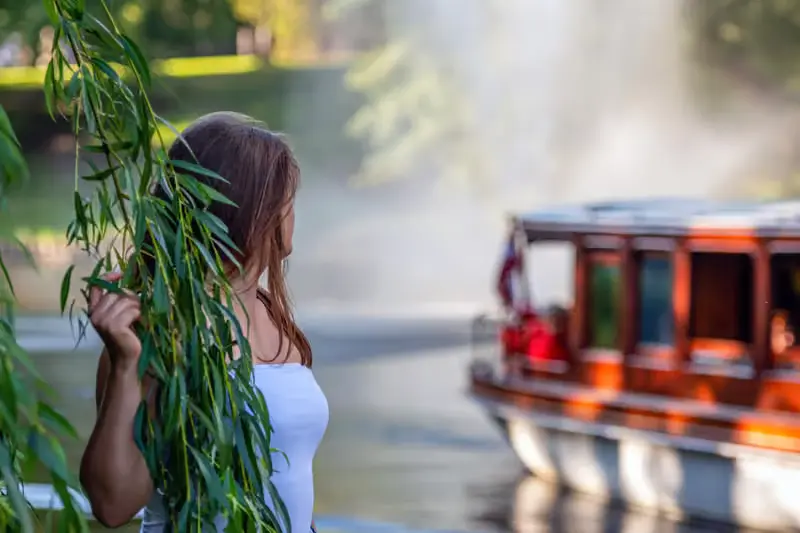
Traveling by water offers a different way to discover destinations. Instead of moving between hotels and attractions by road, travelers can explore coastlines, historic cities, rivers, and peaceful canals from the comfort of a vessel. Waterway holidays combine transportation, sightseeing, relaxation, and sometimes accommodation in one experience. They appeal to travelers who want to enjoy the journey rather than focus only on reaching a destination.
Modern waterway packages cruise routes cover several travel styles. River cruises provide access to historic towns and cultural landmarks. Coastal cruises connect islands and waterfront cities. Private charters offer flexibility, while canal tours provide a slower way to explore traditional waterways. Each option has different costs, services, and planning requirements.
Choosing the right package requires more than comparing attractive photographs or advertised prices. Travelers should consider route length, onboard facilities, seasonal conditions, excursion opportunities, and additional expenses. Understanding these factors makes it easier to select a waterway experience that matches personal interests, travel budgets, and comfort expectations.
Understanding the Main Types of Waterway Travel Packages
Waterway travel packages vary according to vessel type, destination, duration, and included services. Understanding these differences is the first step toward making an informed booking decision.
River cruises generally operate along established inland routes. They often connect historic cities, cultural attractions, and smaller riverside communities. Their itineraries usually include scheduled stops and organized excursions. Travelers can enjoy changing scenery without repeatedly arranging transportation or accommodation.
Coastal cruises focus on seas, islands, and waterfront destinations. They may involve larger vessels, extensive onboard entertainment, and several days at sea. Some routes emphasize sightseeing, while others prioritize relaxation and resort-style facilities.
Private charters provide a more personalized experience. Travelers rent a vessel for a specific period and may have access to a professional crew, meals, equipment, and customized routes. These arrangements can suit families, couples, and groups that value privacy.
Canal tours offer a different pace. They take place along narrow waterways that often pass through historic towns, countryside, and traditional settlements. Some tours last only a few hours, while others involve multi-day journeys on specially designed boats.
Package inclusions can differ considerably. One booking may cover accommodation, meals, and guided excursions, while another may include only the vessel and basic services. Always examine the complete itinerary and service list before comparing prices.
Cruise Routes That Combine Scenery, Culture, and Exploration
Cruise routes influence the entire travel experience. They determine which destinations travelers visit, how much time they spend at each stop, and what scenery they encounter along the way. Selecting a route based on personal interests can make a major difference.
River Routes Through Historic Cities and Landscapes
European river cruises are popular because they connect several cultural destinations through established waterways. The Danube River passes through countries and cities with different architectural styles, histories, and traditions. Travelers can experience historic centers, riverside landscapes, and regional food during scheduled stops.
The Rhine River offers another attractive route. Its landscapes include vineyards, castles, historic settlements, and scenic stretches through Germany and neighboring countries. These journeys can appeal to travelers interested in architecture, history, and countryside views.
The Nile River provides access to important historical sites in Egypt. River journeys can connect destinations associated with ancient Egyptian civilization while offering a comfortable way to travel between sightseeing locations.
When comparing river routes, examine the actual port schedule. A cruise may advertise several destinations but allow only a few hours at each stop. Check whether excursions are included, how much independent exploration is possible, and whether transportation to major attractions is provided.
Coastal and Island-Hopping Cruise Experiences
Coastal cruises allow travelers to explore several destinations without repeatedly changing hotels. The Mediterranean Sea is particularly suitable for this travel style. Routes may connect historic coastal cities, beach destinations, and island communities.
The Greek Islands offer opportunities to experience different landscapes, architecture, and regional traditions. Some itineraries focus on famous islands, while others include smaller ports and quieter coastal locations.
Cruises through the Norwegian fjords provide a different experience. Steep cliffs, waterfalls, mountain scenery, and small waterfront communities create distinctive views. These routes often appeal to travelers who prioritize natural landscapes over nightlife and shopping.
Coastal itineraries can be affected by weather and port conditions. Strong winds, rough seas, and congestion may cause schedule changes. Travelers should review the operator’s itinerary-change policy and avoid planning essential independent activities too close to scheduled arrival times.
All-Inclusive Charters: Personalized Travel on the Water
All-inclusive charters provide a more private approach to waterway travel. Instead of joining a large group on a scheduled cruise, travelers reserve a vessel for themselves or their chosen companions. Depending on the provider, the package may include a captain, crew, meals, fuel, water equipment, and planned stops.
The main advantage is flexibility. A private charter may allow travelers to spend more time at a preferred location, enjoy a quieter anchorage, or adjust the itinerary within operational and safety limits. This can be especially valuable for families, celebrations, and groups with specific interests.
However, the term all-inclusive does not guarantee that every expense is covered. Some operators include meals and standard fuel but charge separately for premium drinks, marina fees, special equipment, or additional travel distances. Gratuities may also be excluded.
Before booking, request a written breakdown of the package. Confirm the vessel’s capacity, crew arrangements, meal options, fuel allowance, and permitted destinations. Ask how additional hours or route changes are charged. Clear agreements reduce the risk of unexpected expenses.
Matching the Vessel to the Group and Journey
The type of vessel should reflect the group’s size, travel duration, and desired experience. Sailing boats may suit travelers who enjoy a traditional sailing environment. Motorboats can provide faster movement between locations. Larger yachts may offer private cabins, dining spaces, and more extensive onboard facilities.
Passenger capacity is only one part of the decision. Consider the number of cabins, bathroom facilities, deck space, storage, and privacy arrangements. A vessel that technically accommodates a large group may feel uncomfortable during a multi-day journey if sleeping arrangements are limited.
Safety and crew qualifications matter just as much as comfort. Confirm that the operator meets local licensing requirements and provides suitable safety equipment. If travelers are expected to operate the vessel themselves, check whether a license or previous experience is required.
Canal Tours and the Appeal of Slower Waterway Travel
Canal tours provide an opportunity to explore regions at a relaxed pace. Unlike large cruise ships, canal boats often travel through narrow waterways, historic settlements, rural landscapes, and traditional engineering structures. The experience focuses on observing the surroundings rather than covering long distances quickly.
The Canal du Midi is a well-known example. Its route passes through the countryside of southern France and features historic locks, bridges, and attractive riverside communities. Travelers can enjoy local food, cycling routes, and sightseeing along the way.
The Netherlands also offers extensive canal experiences. Visitors can explore historic urban waterways, traditional villages, and countryside routes. Some tours are short sightseeing trips, while others involve longer journeys aboard rented boats.
Canal travel operates differently from conventional cruising. Narrowboats may move slowly and require careful navigation through locks and bridges. Self-operated rentals often involve basic instruction before departure. Travelers should understand mooring rules, speed restrictions, and operating procedures.
This style of travel suits people who enjoy flexibility and gradual exploration. However, it may not be ideal for those seeking extensive onboard entertainment or rapid transportation between major destinations.
Comparing Package Inclusions, Prices, and Overall Value
The advertised price of a waterway package does not always reflect its complete cost. Travelers should examine what is included and identify potential additional charges before making a decision.
Cruise prices may cover accommodation, standard meals, and selected entertainment. However, premium dining, drinks, shore excursions, internet access, and gratuities may cost extra. Some operators offer bundled packages that include several services, while others charge separately for optional experiences.
Private charters involve different cost factors. The vessel category, crew size, fuel consumption, rental duration, and destination all influence the final price. A longer route may require additional fuel and marina fees. Travelers should also confirm whether cleaning charges or security deposits apply.
Canal boat rentals may include the vessel and basic equipment but exclude fuel, insurance upgrades, mooring fees, and certain supplies. Self-catering journeys also require a separate food budget.
A useful strategy is to calculate the total expected cost per traveler. Include transportation to the departure point, accommodation before or after the journey, meals outside the package, and planned activities. This creates a more realistic comparison.
Do not automatically choose the cheapest option. A slightly more expensive package may offer better accommodation, more convenient departure times, or valuable excursions. Compare the experience and services rather than focusing only on the starting price.
Planning Around Seasons, Schedules, and Route Conditions
Waterway travel depends heavily on environmental conditions. Weather, water levels, seasonal maintenance, and port availability can affect the journey. Understanding these factors helps travelers choose suitable dates and avoid unnecessary disruptions.
River cruises may be affected by unusually high or low water levels. Low water can restrict navigation, while high water may create safety concerns or prevent vessels from reaching certain ports. Operators may adjust routes or arrange alternative transportation when conditions change.
Canal journeys also depend on water management and maintenance schedules. Locks may close temporarily, and some waterways have seasonal operating restrictions. Travelers renting boats should confirm navigation conditions before departure.
Coastal cruises face different challenges. Storms and rough seas can cause delays or changes to port schedules. Travelers who are sensitive to motion may prefer larger vessels and routes known for more sheltered sailing conditions, although sea conditions can never be guaranteed.
Seasonal demand also affects availability and pricing. Peak travel periods often provide more departures and activities but may involve higher prices and crowded ports. Shoulder seasons can offer a useful balance between comfortable conditions and fewer visitors.
Review the cancellation and itinerary-change policies carefully. Flexible arrangements can be valuable when traveling during periods of unpredictable weather.
Comfort, Safety, and Accessibility During the Journey
A comfortable waterway experience depends on more than the quality of the vessel. Cabin design, dining facilities, deck arrangements, noise levels, and onboard services all influence how enjoyable the journey becomes.
Travelers should compare cabin sizes and locations. Cabins near entertainment areas may experience more noise, while lower-deck rooms may have different views and accessibility features. Families should check whether connecting cabins or suitable sleeping arrangements are available.
Safety arrangements require equal attention. Reputable operators should provide appropriate life-saving equipment, emergency instructions, and qualified crew members. Passengers should attend safety briefings and understand the procedures for emergencies.
Accessibility should be discussed before booking. Some vessels have stairs, narrow corridors, or limited wheelchair access. Older travelers and passengers with mobility requirements may need accessible cabins, suitable boarding facilities, and assistance during excursions.
Medical facilities also vary. Large cruise ships may have onboard medical support, while smaller charter boats and canal vessels may have limited resources. Travelers with specific health requirements should confirm available assistance and plan accordingly.
Making the Most of Every Stop Along the Route
Shore excursions can turn a waterway journey into a deeper cultural experience. Travelers may explore historic landmarks, local markets, traditional restaurants, museums, and natural attractions. However, the best experience comes from balancing organized activities with independent discovery.
Research each destination before departure. Identify attractions close to the port and understand local transportation options. Some cruise terminals are located outside city centers, which means additional travel time may be required.
Avoid scheduling too many activities during short port visits. Allow enough time for transportation, meals, and unexpected delays. If an excursion is particularly important, consider booking through the operator or choosing an option with reliable return arrangements.
Local food experiences can add another dimension to the journey. Regional restaurants and markets introduce visitors to ingredients and cooking traditions that may not be available onboard. Choose responsible local businesses and respect community customs.
Travelers should also protect the waterways they visit. Avoid littering, follow wildlife observation guidelines, and respect local navigation rules. Small decisions help preserve the environments and communities that make waterway journeys distinctive.
Conclusion
Waterway travel offers several ways to combine transportation, accommodation, sightseeing, and relaxation. River cruises provide access to historic cities and cultural landscapes. Coastal cruises connect islands and waterfront destinations, while all-inclusive charters offer greater privacy and flexibility. Canal tours provide a slower experience focused on local scenery and regional discovery.
The right choice depends on travel style, group size, budget, preferred destinations, and desired level of comfort. Before booking, compare route schedules, package inclusions, vessel facilities, safety arrangements, and seasonal conditions. Pay attention to additional charges and allow flexibility for unexpected changes.
A carefully selected waterway package can transform the journey itself into a memorable part of the holiday. By planning around practical needs and personal interests, travelers can enjoy a rewarding experience across rivers, coastlines, and historic canals.