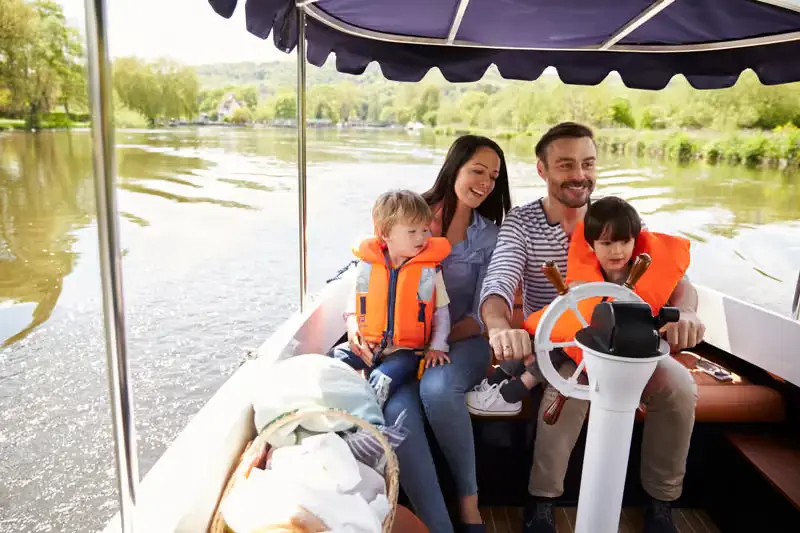
Waterway travel offers more than a chance to spend time on a boat. It creates opportunities to explore scenic routes, discover local attractions, enjoy outdoor activities, and relax in a different environment. Travelers can experience all these elements through one coordinated arrangement. This is where waterway packages become useful.
Waterway packages combine services such as boat rentals, guided sightseeing, and watersports into a planned experience. Instead of organizing every activity separately, travelers can choose an arrangement that brings several services together. Some packages focus on peaceful exploration, while others emphasize adventure and physical activity. Many also offer flexible options for families, couples, and larger groups.
Understanding how these packages work helps travelers make better decisions. The right choice depends on the destination, available time, group preferences, and expected level of activity. A well-planned package can reduce logistical challenges while making a water-based trip more enjoyable.
Understanding the Structure of Modern Waterway Packages
A waterway package is a combination of services designed around a particular route, destination, or recreational experience. It may include access to a rental boat, a guided excursion, watersports equipment, safety support, and additional services such as refreshments or transportation. The exact combination depends on the operator and location.
The main advantage is coordination. Travelers do not need to contact several providers, compare unrelated schedules, or arrange every transfer independently. A package can bring these details into one itinerary. This makes planning easier, especially in destinations where activities take place at different points along a river, lake, canal, or coastal route.
Packages are not all structured in the same way. Fixed itineraries follow predetermined departure times and activity schedules. They suit travelers who prefer a clear plan and predictable arrangements. Customizable packages provide more control over the route, duration, and activities. They are useful for groups with different interests or specific travel goals.
The most suitable arrangement depends on the balance between convenience and flexibility. Travelers should examine what is included rather than assuming every package offers the same services. Some provide a boat and basic equipment, while others include professional guides, instructors, meals, and several recreational activities.
Boat Rentals as the Foundation of the Experience
Boat rentals often provide the central element of a waterway package. The vessel determines how travelers move between locations, how much time they can spend on the water, and which activities are practical. Selecting the right boat is therefore one of the most important planning decisions.
Selecting the Right Vessel for Your Trip
Different boats serve different purposes. Pontoon boats offer open seating areas and stable layouts. They are suitable for social outings, family trips, and relaxed sightseeing. Motorboats provide greater speed and can help travelers cover longer distances within a limited schedule. Sailboats offer a slower experience that depends on wind conditions and sailing skills.
Houseboats are designed for longer stays and may include sleeping areas, kitchens, and private facilities. They work well for travelers who want to spend several days exploring connected waterways. Smaller recreational boats can be suitable for short excursions or accessing narrow routes, provided local rules allow their use.
Capacity should not be the only consideration. Travelers should also assess onboard comfort, storage, shade, accessibility, and available safety equipment. A boat that technically accommodates a group may still feel crowded during a long outing.
The destination also matters. Narrow canals may require a compact vessel, while open lakes may offer more flexibility. Wind, currents, water depth, and local navigation restrictions can influence which boats are appropriate.
Rental Terms, Equipment, and Operational Support
Before booking, travelers should understand the rental agreement. Important details include the rental period, fuel arrangements, security deposits, insurance coverage, and cancellation conditions. Some providers charge separately for fuel or cleaning. Others include these costs in the package price.
Licensing requirements deserve particular attention. Certain destinations require a boating license or proof of experience. Others allow visitors to rent smaller vessels after receiving basic instructions. A package with a professional skipper may be a better choice for travelers who lack boating experience.
Safety equipment should be confirmed before departure. Life jackets, navigation tools, communication devices, and emergency supplies are essential. Travelers should also know whether the operator provides technical assistance if the vessel develops a problem during the trip.
Clear rental conditions reduce uncertainty. They also help travelers avoid unexpected expenses and misunderstandings on the day of departure.
Guided Tours That Add Context and Local Discovery
A boat provides access to places that may be difficult to reach by road. However, reaching a destination does not always explain its importance. Guided tours add context by helping travelers understand the history, culture, geography, and natural features of the surrounding area.
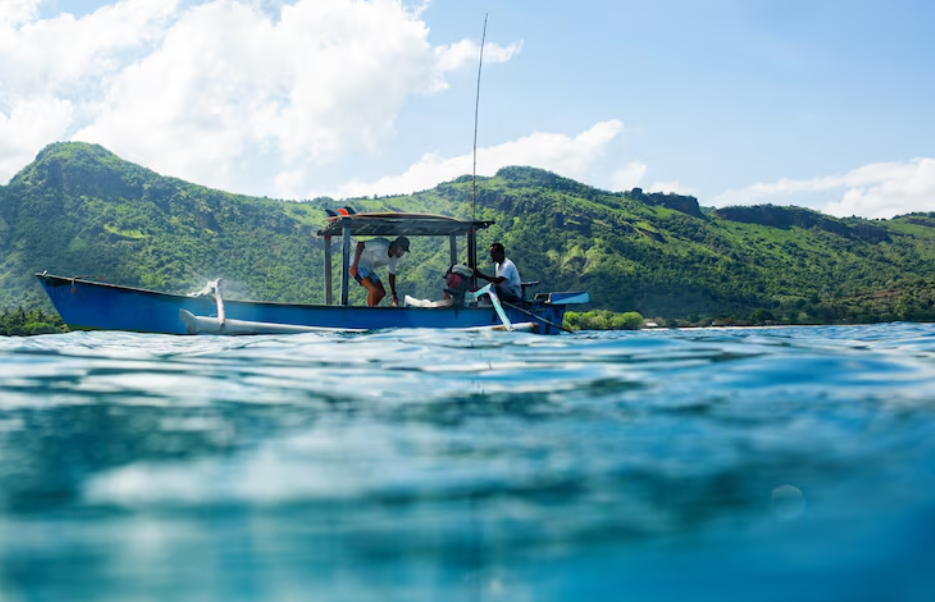
Guided excursions can include historical sightseeing, wildlife observation, cultural visits, and nature-focused experiences. A river tour may pass historic buildings, traditional settlements, or important bridges. A coastal excursion may introduce travelers to local marine habitats. Canal tours can reveal how historic waterways supported trade, transport, and regional development.
Local guides often provide details that travelers might overlook when exploring independently. They can explain how a waterway developed, identify native wildlife, and describe the traditions of nearby communities. This knowledge makes the journey more meaningful.
Some packages combine independent boating with scheduled guided stops. Travelers may operate or enjoy a rental boat for part of the day before joining a guide at a designated location. This arrangement offers a balance between personal freedom and organized discovery.
When evaluating a guided component, check the group size, language options, tour duration, and meeting arrangements. A short excursion may be enough for a simple sightseeing stop. A more detailed cultural or ecological experience may require additional time.
Watersports That Turn a Boat Trip Into an Active Adventure
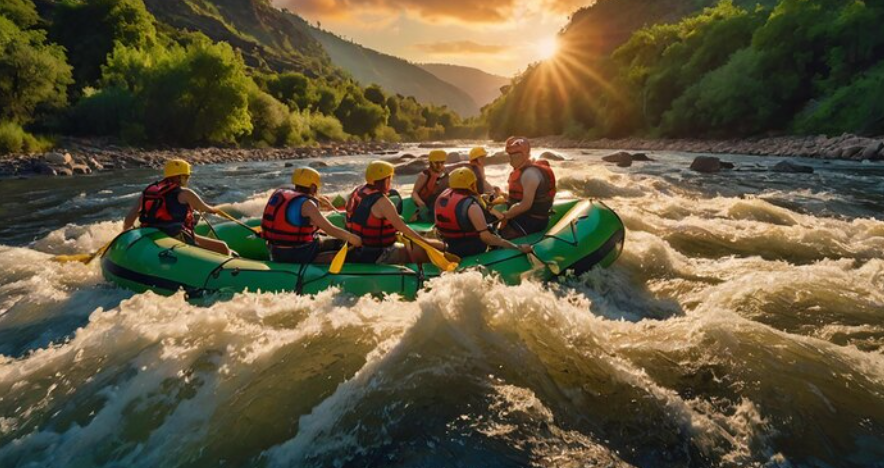
Watersports add movement and excitement to a waterway journey. They allow travelers to experience the destination beyond sightseeing. Depending on the location, a package may include equipment, instruction, supervision, or access to designated activity areas.
Popular Activities Included in Waterway Packages
Kayaking and paddleboarding are popular options for exploring quieter sections of lakes, rivers, and sheltered coastal areas. Both activities allow participants to move at their own pace. They can also provide closer views of natural surroundings.
Water skiing and wakeboarding offer more energetic experiences. Participants are pulled behind a suitable powered boat and need balance, coordination, and basic physical fitness. Tubing provides a recreational alternative, although speed and supervision must remain appropriate for the participants.
Snorkeling may be included in coastal packages where water clarity and marine conditions make it suitable. It gives travelers an opportunity to observe underwater environments without requiring advanced diving skills.
The right activity depends on the group’s abilities and interests. Beginners may prefer introductory sessions with an instructor. Experienced participants may want longer activity periods or more challenging routes. Families should pay attention to age limits, equipment sizes, and supervision arrangements.
Safety, Supervision, and Activity Scheduling
Watersports require more than suitable equipment. Participants should receive clear instructions and understand the risks before entering the water. Life jackets should fit properly, and equipment should be checked for visible damage.
Weather and water conditions can change quickly. Strong winds, poor visibility, currents, and sudden storms may make certain activities unsafe. Operators should have clear procedures for delaying or replacing activities when conditions deteriorate.
Scheduling also affects safety and enjoyment. It is rarely practical to place several demanding activities back to back. Participants need time to rest, hydrate, change equipment, and recover. A balanced itinerary might include sightseeing in the morning, a watersport session later, and a relaxed return journey.
Travelers should confirm whether instructors or supervisors are present during activities. They should also understand how emergency communication works and where participants can get assistance.
How Different Services Work Together in One Itinerary
The main value of a combined package is the way its services fit together. Boat rentals provide transportation and access. Guided tours add information and local discovery. Watersports create opportunities for active recreation. When these elements are coordinated, each activity becomes part of a connected journey.
Consider a day trip on a large lake. The experience could begin with a morning departure on a rented pontoon or motorboat. Travelers follow a planned route toward a scenic area. At a designated stop, a local guide leads a short excursion to explain the region’s natural features or history.
After the guided visit, the group moves to an approved watersports area. Participants can try paddleboarding, kayaking, or another activity included in the package. Those who prefer a quieter experience can remain on the boat or enjoy the surrounding scenery. The group then returns according to the agreed schedule.
Successful coordination depends on realistic timing. Operators need to consider travel distances, docking availability, equipment transfers, activity duration, and passenger needs. A schedule that looks attractive on paper may become stressful if it leaves too little time between stops.
Travelers should check whether the package includes waiting time and what happens if an activity runs longer than expected. A little flexibility can prevent delays from affecting the entire day.
Choosing a Package That Matches Your Travel Style
A suitable package should reflect the purpose of the trip. Travelers seeking relaxation may prefer a comfortable vessel, scenic cruising, and a short guided visit. Adventure-focused groups may prioritize watersports, longer activity periods, and access to suitable recreational areas.
Families often need a different balance. A stable boat, shaded seating, accessible facilities, and activities suitable for different ages can make the experience more comfortable. Couples may prefer smaller groups, quieter routes, or private arrangements. Larger groups should consider passenger capacity, shared equipment, and whether everyone can participate in the same activities.
Time is another important factor. A half-day package may work for travelers with limited schedules. Full-day arrangements provide more room for guided stops and watersports. Multi-day packages may be suitable for houseboat trips or destinations with several connected waterways.
Physical requirements and accessibility should also be reviewed. Some activities require swimming ability, balance, or a reasonable level of fitness. Travelers with mobility needs should ask about boarding arrangements, seating, accessible facilities, and available assistance.
Customization can improve the experience, but more activities do not automatically create a better package. The goal should be a manageable itinerary that allows participants to enjoy each part without feeling rushed.
Understanding Costs, Inclusions, and Booking Conditions
Package prices vary according to vessel type, rental duration, destination, season, group size, and included services. A basic arrangement may cover only the boat and essential equipment. A premium option may include a skipper, professional guides, watersports instruction, meals, and private facilities.
Travelers should compare the total cost rather than focusing only on the advertised starting price. Fuel, docking charges, equipment upgrades, meals, transportation, and insurance may be billed separately. These additional expenses can change the overall value of a package.
It is also useful to examine the difference between included and optional activities. A package may advertise several watersports but charge extra for each session. Another provider may include equipment access but limit how long participants can use it. Clear details make comparisons more accurate.
Booking conditions deserve equal attention. Check deposit requirements, payment deadlines, cancellation rules, and minimum participant numbers. Weather policies are especially important because water-based activities depend on safe operating conditions. Ask whether the operator offers a refund, rescheduling, or an alternative activity when conditions prevent the planned itinerary.
A written breakdown of services and charges provides a useful reference. It helps travelers understand exactly what they are paying for and reduces the chance of disagreements later.
Responsible and Safe Waterway Travel
Enjoying waterways also means protecting the environments and communities that make these trips possible. Boating and watersports can affect wildlife, water quality, and sensitive habitats when activities are not managed responsibly.
Travelers should follow local speed restrictions and avoid disturbing nesting areas or wildlife groups. Waste should remain onboard until it can be disposed of properly. Fuel and other harmful substances must be handled carefully to prevent water contamination.
Responsible operators explain local environmental rules and guide passengers toward suitable activity areas. They may also use efficient vessels, maintain equipment properly, and limit access to vulnerable locations. Choosing such providers supports more sustainable waterway tourism.
Passenger behavior matters as well. Travelers should listen to safety briefings, use equipment correctly, and respect restrictions around swimming and docking areas. They should also follow instructions from guides and boat operators when conditions change.
Responsible travel does not reduce enjoyment. It helps preserve the destination so that future visitors and local communities can continue benefiting from it.
Conclusion
Waterway packages bring boat rentals, guided tours, and watersports together to create a more complete travel experience. They simplify planning while giving travelers several ways to explore a destination. The boat provides access, guided activities add knowledge, and watersports introduce adventure. The best arrangements balance these elements with enough time for relaxation and safe participation. By comparing vessel options, checking package inclusions, reviewing booking conditions, and considering environmental responsibilities, travelers can choose an experience that matches their needs. Well-organized waterway packages boat rentals can turn an ordinary outing into a memorable journey built around exploration, recreation, and comfort.