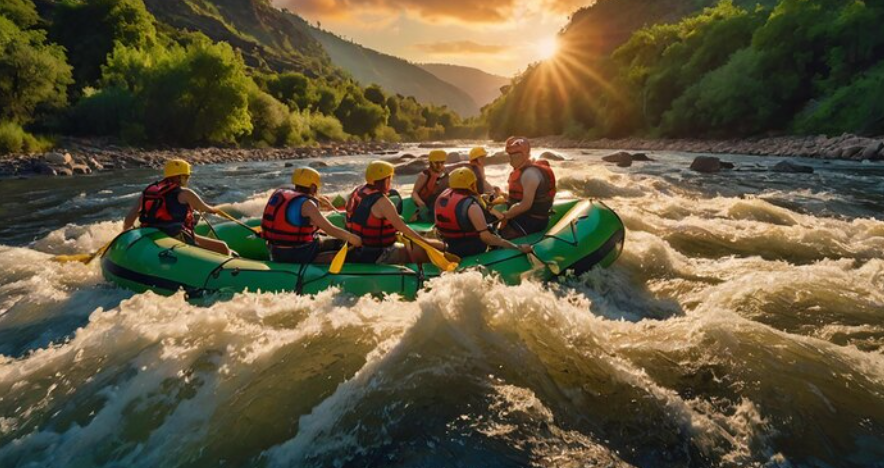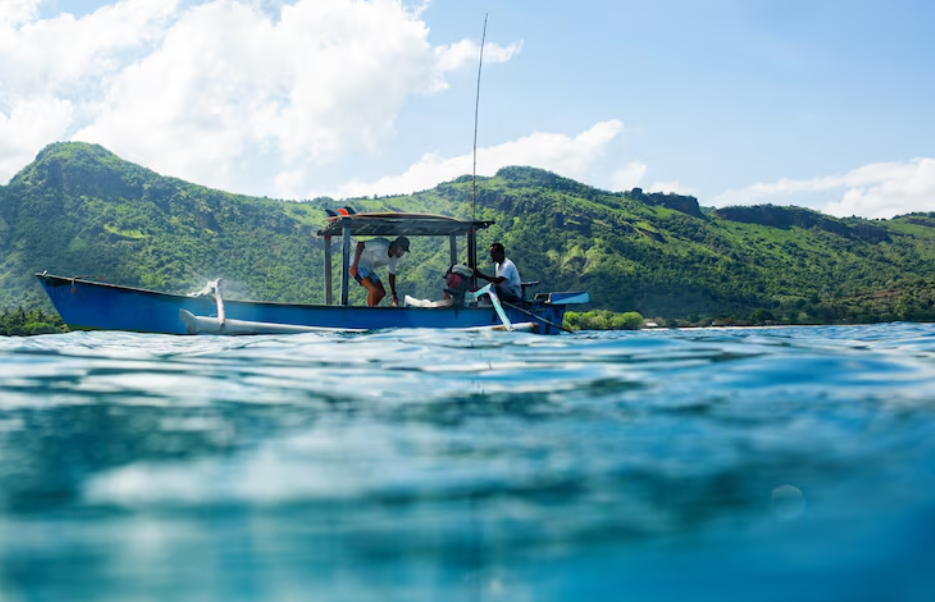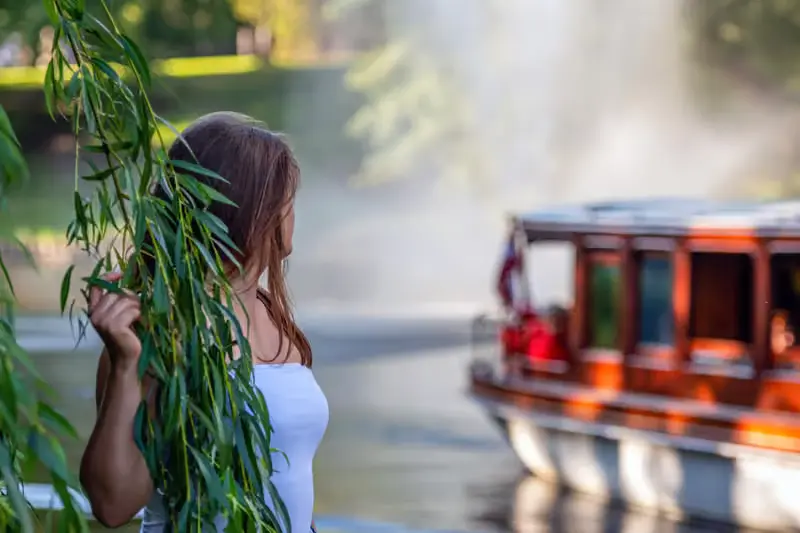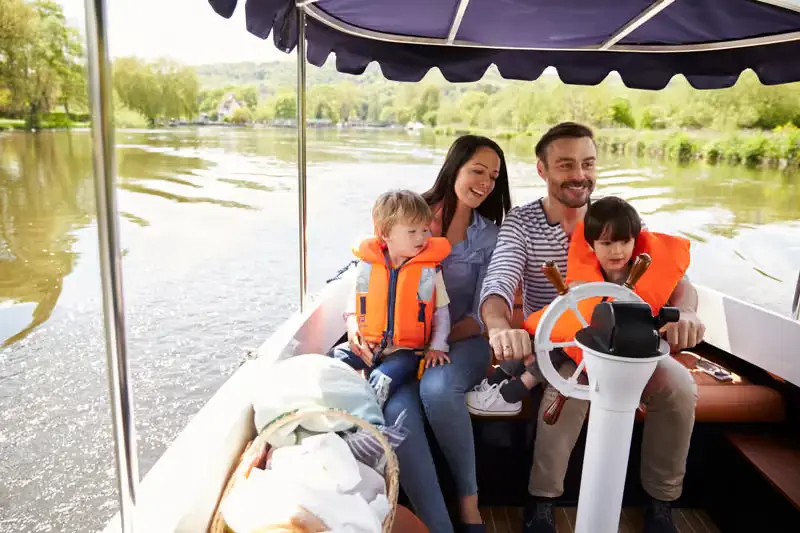
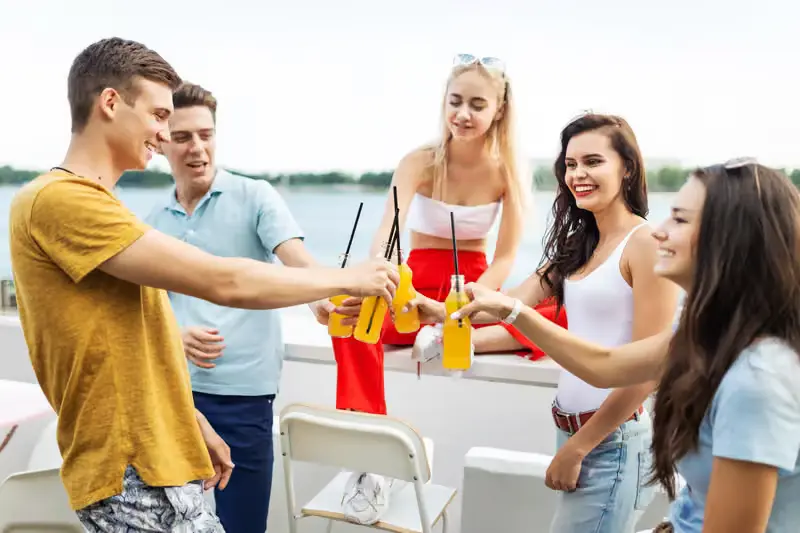
A party on the water offers a different experience from a traditional indoor celebration. Guests can enjoy open views, fresh air, music, and time together while cruising along a lake or other permitted waterway. Pontoon boats are particularly suitable for casual gatherings because they usually provide spacious seating, stable layouts, and room for refreshments. This makes pontoon party rental packages an appealing option for birthdays, family events, reunions, and celebrations with friends. However, a successful event requires more than booking a boat. Organizers must consider passenger capacity, rental inclusions, food arrangements, entertainment, weather, and safety rules. The best approach is to plan an event that feels relaxed while keeping the experience organized and responsible. With the right preparation, a pontoon party can become a memorable occasion for everyone aboard.
Exploring Different Pontoon Party Rental Packages
Rental providers offer different packages depending on boat size, rental duration, location, and available amenities. Some provide a basic pontoon with seating and essential safety equipment. Others offer upgraded vessels with sound systems, additional seating, decorations, or optional hosting services. Understanding these differences helps organizers select an arrangement that suits their event.
Begin by identifying the purpose of the gathering. A small birthday celebration may require only a comfortable boat, refreshments, and a music system. A larger family event may need additional seating, shade, and more storage. A special occasion could benefit from decoration services or photography arrangements.
Compare packages based on their actual inclusions rather than their names. A premium package does not always provide better value. Some providers advertise attractive rates but charge separately for fuel, cleaning, equipment, or additional rental time. Request a detailed cost breakdown before making a payment.
Basic Rentals for Casual Gatherings
Basic rentals are suitable for organizers who prefer to manage the celebration themselves. These packages generally include the pontoon, a specified rental period, standard seating, and required safety equipment. Depending on the operator, they may also include a sound system or basic onboard amenities.
This option gives hosts more control over food, decorations, music, and activities. It can also help keep expenses manageable. However, the organizer must take responsibility for preparing supplies and coordinating guests.
Check whether fuel is included in the advertised price. Some operators charge according to consumption, while others apply a fixed fee. Ask about cleaning charges, security deposits, late-return penalties, and permitted equipment. These details can affect the final cost.
Premium Packages and Hosted Experiences
Premium packages may include upgraded seating, larger pontoons, sound equipment, decorations, catering arrangements, or assistance from event staff. Some providers may offer optional hosting services that reduce the organizer’s workload.
These features can be useful for milestone birthdays, anniversaries, and larger celebrations. A coordinated setup may also create a more polished experience. However, confirm exactly what the service covers. Catering may include only selected refreshments, while decoration packages may have restrictions on materials and setup time.
Ask whether staff members remain aboard during the rental and what responsibilities they handle. Also confirm whether the boat operator is included. Never assume that an event host and a qualified vessel operator perform the same role.
Selecting a Pontoon That Fits the Guest List and Event Style
Choosing the right pontoon is essential for passenger comfort. Every vessel has an approved capacity, and organizers must respect that limit. However, maximum capacity should not be the only selection factor. A boat may legally accommodate a particular number of passengers but still feel crowded when everyone is seated, eating, or moving around.
Consider the number of guests who will attend and the activities they expect to enjoy. A sightseeing celebration may require comfortable seating and good visibility. A swimming-focused event may need suitable access to permitted swimming areas and a secure boarding arrangement. A meal-centered gathering may benefit from tables and additional storage.
The deck layout also matters. Guests should be able to move without constantly interrupting others. Check whether seating provides enough space for different age groups. Shaded areas can improve comfort during sunny weather, while convenient boarding arrangements may help older guests and people with mobility limitations.
Ask the rental provider about accessibility before booking. Some pontoons may have steps or narrow entry points that create difficulties for certain passengers. Understanding these limitations early allows organizers to make suitable arrangements.
Matching Boat Features With Party Activities
Different celebrations require different features. Tables and comfortable seating are useful for shared meals. A reliable sound system can support music and announcements. A swim ladder may be valuable when swimming is permitted and conditions are suitable.
Shade is another important feature. Long periods of direct sunlight can make guests uncomfortable, particularly during warm weather. A canopy or other protective covering provides a place to relax between activities.
Check the condition of all equipment before departure. Ask whether speakers, lighting, ladders, and other optional features are included in the package. If the event depends on a particular feature, confirm its availability in writing.
Avoid paying for equipment that the group is unlikely to use. A simple, comfortable pontoon may provide a better experience than an expensive model filled with unnecessary extras.
Designing an On-Water Party Schedule
A basic schedule helps keep the event organized without making it feel formal. Start by deciding how much time the group will spend cruising, enjoying refreshments, taking photographs, and participating in activities. Allow enough time for boarding, safety instructions, and the return journey.
Avoid planning every minute. Guests should have opportunities to relax and enjoy the surroundings. A flexible schedule is especially useful when weather, traffic, or local boating conditions affect the planned route.
A typical event might begin with guest arrival and boarding. The operator can then provide safety instructions before departure. Once underway, guests can enjoy music, conversation, and sightseeing. A planned stop may allow swimming or photographs where permitted. Food and refreshments can be served during a suitable period, followed by a relaxed return to the departure point.
Keep navigation decisions separate from entertainment planning. The operator should remain focused on controlling the vessel and monitoring surrounding traffic. The host can coordinate music, food, and guest activities without distracting the person responsible for boating.
Ideas for Different Types of Pontoon Celebrations
Birthday parties can include decorations, a cake, group photographs, and a personalized playlist. Keep decorations lightweight and secure them properly. Arrange the cake in a stable container and avoid serving it while the boat is moving through rough conditions.
Family gatherings benefit from a relaxed schedule. Shared meals, sightseeing, simple games, and supervised swimming can appeal to different age groups. Provide quieter activities for guests who prefer not to participate in water-based entertainment.
A friends’ gathering may focus on music, conversation, snacks, and sunset views. Organizers should still keep the volume within local limits and respect other boaters. A special occasion, such as an anniversary, may benefit from coordinated decorations and a planned photography session.
The key is to choose activities that suit the group and the available space. A crowded deck is not an ideal place for complicated games or equipment-heavy entertainment.
Food, Drinks, Decorations, and Guest Comfort
Food and refreshments are central to many celebrations. However, serving meals on a moving boat requires practical planning. Choose items that are easy to store, transport, and serve. Sandwiches, wraps, fruit, salads, and individually packed snacks are useful options.
Use secure containers to prevent spills. Coolers can help keep suitable foods at safe temperatures. Keep drinking water available throughout the event, especially during warm weather. Avoid placing food near areas where passengers need to move or where equipment is stored.
Consider dietary requirements before arranging catering. Ask guests about allergies and important food restrictions. Clearly separate different food items when necessary. If the package includes catering, confirm the menu, serving arrangements, and any additional costs.
Decorations should be attractive but practical. Lightweight banners, table decorations, and reusable accessories can create a festive atmosphere. Secure everything so that wind cannot carry items into the water. Avoid loose confetti, balloons that may escape, and decorations that obstruct visibility or emergency equipment.
Guest comfort also depends on preparation. Encourage passengers to bring sunscreen, sunglasses, hats, towels, and suitable footwear. Remind them to wear clothing appropriate for the weather. A light jacket may be useful when temperatures drop later in the day.
Essential Safety Rules for Hosting a Party on the Water
Safety should be a priority from the moment guests arrive. Before boarding, confirm that the passenger count is within the vessel’s approved capacity. Do not allow additional guests to join simply because there appears to be available deck space.
Life jackets must be available in suitable sizes and used according to applicable regulations and operator instructions. Guests should know where safety equipment is stored. The operator should explain emergency procedures, communication methods, and the location of essential equipment before departure.
Safe movement aboard the pontoon is equally important. Passengers should avoid running, pushing, or leaning over railings. Keep walkways clear of bags, food containers, and decorations. Children need active supervision, particularly around the edges of the vessel and during boarding.
The person operating the boat must remain responsible and alert. Never allow someone who has consumed alcohol or used impairing substances to operate the vessel. The operator should not be distracted by music, conversations, serving food, or party activities. A designated host can manage the celebration while the operator focuses on navigation.
Weather conditions require ongoing attention. Strong winds, storms, poor visibility, and changing water conditions can make a planned trip unsafe. Check the forecast before departure and follow the rental provider’s instructions. If conditions deteriorate, the operator should adjust the route or return to shore when appropriate.
Managing Swimming, Children, and Group Behavior
Swimming can be an enjoyable part of a pontoon party, but it must be allowed by local rules and suitable conditions. Use designated swimming areas where available. Follow the operator’s instructions about stopping the vessel, securing it, and allowing passengers to enter the water.
Children should remain under direct adult supervision. Assign responsible adults to supervise young swimmers rather than assuming everyone is watching. Guests who cannot swim confidently should be encouraged to use appropriate flotation equipment and remain within safe limits.
Establish simple rules before the event. Explain where guests can sit, when they can move around, and how swimming activities will be managed. Do not allow passengers to jump from unsafe locations or enter the water near moving vessels. Clear communication helps prevent confusion during busy moments.
Understanding Rental Agreements, Extra Charges, and Booking Conditions
Rental agreements contain important details that can affect the event. Read the terms before paying a deposit. Confirm the rental period, passenger limit, fuel policy, insurance conditions, and return requirements.
Ask how weather-related cancellations are handled. Some providers may offer rescheduling, while others may apply specific cancellation terms. Understand whether the security deposit is refundable and what circumstances can lead to deductions.
Check which activities are permitted. Some operators may restrict swimming, fishing, decorations, outside catering, or certain types of entertainment equipment. Confirm whether guests can bring their own food and drinks. If the package includes a sound system, ask about volume restrictions and connection options.
Get a written breakdown of all charges. This should include the base rental fee, fuel, cleaning, taxes, optional equipment, and any staffing costs. Written confirmation reduces the risk of misunderstandings on the event day.
Common Hosting Mistakes and How to Avoid Them
One common mistake is choosing a pontoon based only on passenger capacity. The boat may meet the legal limit but provide insufficient seating or space for the planned activities. Review the deck layout and comfort level before booking.
Another mistake is assuming that advertised packages include everything. Fuel, catering, decorations, and sound equipment may cost extra. Confirm each inclusion and calculate the total expense before making a commitment.
Overplanning is also a problem. Too many activities can make guests feel rushed and leave little time to enjoy the surroundings. Choose a few suitable activities and keep the schedule flexible.
Organizers should also avoid ignoring weather conditions. A backup plan can help when strong winds or storms affect the original schedule. Discuss rescheduling arrangements with the provider before the event.
Finally, do not leave safety responsibilities unclear. Assign someone to coordinate guests, refreshments, and decorations while the operator manages the vessel. Remove rubbish and personal belongings before returning the pontoon.
Conclusion
A successful pontoon celebration combines suitable rental arrangements, comfortable facilities, thoughtful hosting, and responsible boating. Choosing the right package begins with understanding the guest list, event style, and available budget. Organizers should compare rental inclusions, check passenger limits, prepare practical refreshments, and plan activities that suit the boat’s layout. Safety must remain central throughout the experience. Life jackets, weather checks, supervised swimming, and responsible operation protect everyone aboard. Avoid unnecessary upgrades and complicated schedules. Instead, focus on the details that make guests comfortable and allow them to enjoy the water. With careful planning, a pontoon party can turn an ordinary gathering into a memorable boating adventure.