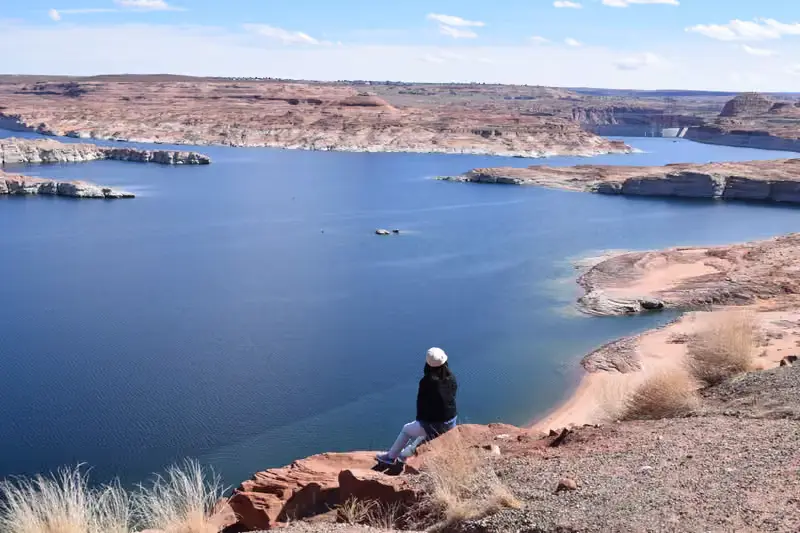
Lake Powell offers a distinctive setting for a houseboat vacation. Located along the Utah and Arizona border, this vast reservoir features red sandstone cliffs, narrow canyons, open water, and secluded coves. Visitors can explore the landscape at their own pace while enjoying the comfort of a floating accommodation. This combination makes lake powell houseboat rentals an attractive option for families, couples, and groups of friends. However, a successful trip requires more than choosing a boat and arriving at the marina. Travelers must consider rental costs, navigation routes, fuel, provisions, weather, and overnight locations. A well-planned itinerary also leaves room for swimming, sightseeing, and relaxation. Understanding these details before departure helps travelers enjoy more of the lake while avoiding unnecessary stress.
Choosing the Right Houseboat for Your Group
Selecting the right vessel is one of the most important decisions when planning a Lake Powell vacation. Houseboats come in different sizes and offer varying levels of comfort. Some provide basic sleeping areas, kitchens, bathrooms, and outdoor seating. Larger models may include spacious lounges, private bedrooms, upper decks, water slides, and additional entertainment features. The best choice depends on the number of passengers, trip duration, available budget, and preferred activities.
Start by estimating how many people will sleep aboard. Do not rely only on the maximum passenger capacity advertised by the rental operator. A boat may technically accommodate a large group, but that does not mean everyone will have enough personal space. Consider sleeping arrangements, bathroom access, storage, and shared living areas. Families with children may prefer separate sleeping spaces and shaded outdoor areas. Couples may value privacy, comfortable seating, and a smaller layout that is easier to manage.
The length of the trip also affects the ideal vessel. A basic model may work well for a short getaway. However, longer vacations require more storage, reliable onboard facilities, and comfortable sleeping arrangements. Air conditioning can be particularly valuable during hot summer periods. A well-equipped kitchen can also reduce food expenses and make meal planning easier.
Compact Models Versus Luxury Houseboats
Smaller houseboats generally appeal to travelers who prioritize affordability and practical accommodation. They may consume less fuel and require less storage space. Their smaller size can also make certain navigation tasks more manageable, although operating any houseboat requires proper instruction and attention.
Luxury models provide additional comfort. They may include larger kitchens, multiple bedrooms, spacious decks, entertainment systems, and upgraded bathrooms. These features can improve the experience for large families or groups spending several days on the lake. However, larger vessels usually involve higher rental prices and may require more fuel.
Think about how the group will actually use the boat. If most of the day will be spent swimming, exploring canyons, and enjoying the shoreline, an expensive entertainment package may not provide much additional value. If passengers plan to spend significant time aboard, comfort features may justify the extra expense.
Questions to Resolve Before Confirming a Rental
Review the rental agreement carefully before paying a deposit. Check the minimum rental period, cancellation policy, security deposit, insurance requirements, and payment schedule. Ask whether fuel is included or charged separately. Confirm whether cleaning fees, taxes, and optional equipment are part of the advertised price.
You should also understand who is responsible for operating the boat. Some rentals allow qualified guests to operate the vessel after completing an orientation. Others may offer additional assistance or specific operating arrangements. Ask about age restrictions, boating experience requirements, navigation training, emergency equipment, and communication systems.
Finally, confirm the check-in and return procedures. Late returns may result in additional charges. Knowing the expected schedule helps you plan the final day without rushing.
Understanding Lake Powell’s Geography and Navigation Options
Lake Powell covers an extensive area and contains numerous branching waterways. Its landscape includes open stretches, narrow channels, sandstone formations, and remote coves. This variety creates excellent opportunities for exploration, but it also makes route planning important.
Travel distances can be misleading. A destination that appears close on a map may require considerable travel time because of the shape of the shoreline and the route through connected waterways. Boat speed, weather, traffic, fuel availability, and operating restrictions can also affect journey times.
Before leaving the marina, study an up-to-date lake map and discuss your intended route with the rental operator. Ask about current water levels, navigation hazards, restricted areas, and suitable overnight locations. Water levels can change the appearance and accessibility of certain shorelines. A familiar route from a previous season may not be suitable under different conditions.
Popular Areas to Explore by Houseboat
Wahweap is a major access point for visitors exploring the southern part of Lake Powell. It offers marina facilities and convenient access to nearby areas. Travelers starting here can plan shorter excursions before attempting longer journeys.
Antelope Canyon is another well-known destination. Its dramatic sandstone formations attract photographers and visitors interested in the lake’s natural scenery. Access arrangements may vary depending on the specific area and current conditions, so travelers should confirm permitted activities before planning a visit.
Navajo Canyon offers striking scenery and opportunities to explore the lake’s branching waterways. Padre Bay is known for its broad open-water setting and surrounding rock formations. It can provide a different experience from the narrower canyon passages.
The Escalante region offers additional opportunities for extended exploration. However, reaching more distant areas requires careful consideration of fuel, travel time, weather, and emergency planning. First-time houseboat operators should avoid building an itinerary around remote destinations without discussing the route with experienced local staff.
Building a Practical Canyon-Hopping Itinerary
A good Lake Powell itinerary balances navigation with time for enjoyment. Travelers sometimes make the mistake of planning too many destinations in a short period. This can turn a relaxing vacation into a demanding schedule filled with long journeys and repeated packing.
Begin with your available vacation days. Identify the areas that matter most to your group. Then organize destinations according to their geographical proximity. Visiting nearby locations in sequence usually makes more sense than repeatedly crossing large sections of the lake.
Allow time for swimming, photography, meals, and rest. Remember that operating a houseboat requires attention. The person responsible for navigation should not be expected to manage every activity while also supervising passengers.
A Relaxed Three-Day Houseboat Plan
On the first day, arrive at the marina early enough to complete the rental process and onboard orientation. Review safety equipment, navigation controls, fuel procedures, and emergency communication. Load groceries and personal supplies before departure. Keep the first journey relatively short so everyone can become familiar with the boat. Choose an appropriate overnight location based on current conditions and operator guidance.
The second day can focus on exploring a nearby canyon or scenic bay. Start with a manageable route and allow sufficient time for sightseeing. Passengers can enjoy swimming, photography, and shoreline activities where permitted. Before settling for the evening, check wind conditions and select a suitable overnight position. Keep essential equipment accessible and secure loose items before nighttime.
On the third day, enjoy a shorter morning excursion if the return schedule allows. Begin heading toward the marina with enough time for refueling, unloading, and completing the return inspection. Avoid planning a distant destination on the final morning. Unexpected delays can make a tight return schedule stressful.
Extending the Experience to Five or Seven Days
Longer vacations provide more flexibility. Travelers can explore additional canyon areas, spend more time swimming, and enjoy quieter locations away from busy marina zones. They can also include rest periods without feeling pressured to cover long distances every day.
For a five-day trip, consider dividing the lake into smaller exploration areas. Spend one day reaching a selected region, another exploring nearby coves, and a third enjoying water activities. Keep the remaining days flexible for additional sightseeing and the return journey.
A seven-day vacation allows even more freedom, but it requires stronger preparation. Food storage, fuel planning, waste management, and onboard supplies become increasingly important. Build a realistic route with enough reserves for weather changes or unexpected delays. The goal should be to enjoy the lake, not to collect as many destinations as possible.
Selecting Overnight Locations and Enjoying Canyon Scenery
Overnight positioning has a major influence on the houseboat experience. A suitable location can provide beautiful views, comfortable surroundings, and a peaceful evening. However, not every attractive cove is appropriate for anchoring or beaching a vessel.
Some areas may have restrictions, unsuitable depths, exposed shorelines, or changing conditions. Ask the rental operator about approved overnight practices. Depending on local rules and the location, visitors may be able to use designated mooring facilities or other permitted arrangements.
Wind exposure is an important consideration. Strong winds can make an exposed location uncomfortable and create additional challenges for securing a boat. Check the forecast before choosing an overnight position. Pay attention to shoreline conditions and follow the operator’s instructions for anchoring or beaching.
Evenings are often among the most memorable parts of a Lake Powell vacation. The sandstone cliffs change color as the sunlight fades. The water can become quieter, creating excellent opportunities for photography and relaxation. Early mornings also offer beautiful views and cooler temperatures for outdoor activities.
Respect the natural environment throughout your stay. Avoid disturbing wildlife, damaging vegetation, or leaving rubbish behind. Follow fire restrictions and use only permitted locations for overnight activities. Responsible behavior helps protect the scenery that makes Lake Powell such a special destination.
Preparing for Life on a Lake Powell Houseboat
A houseboat provides accommodation on the water, but it does not operate like a fully serviced hotel. Travelers need to manage food, drinking water, waste, electricity, and personal supplies. Planning these details before departure can prevent unnecessary problems during the vacation.
Start with a meal plan. Choose simple dishes that require limited preparation and use ingredients that can be stored safely. Sandwiches, salads, pasta, grilled foods, and easy breakfast options can work well. Organize food into containers and keep frequently used items accessible. Avoid buying more perishable food than the group can reasonably consume.
Drinking water deserves particular attention. Bring an adequate supply and understand the vessel’s freshwater capacity. Do not assume that onboard water systems provide unlimited drinking water. Ask the rental operator how to monitor water levels and where refills are available.
Clothing should reflect the season and planned activities. Pack swimwear, lightweight clothing, towels, comfortable footwear, and a warmer layer for cooler evenings. Sunscreen, hats, sunglasses, and protective clothing are essential during periods of strong sunlight.
Essential Supplies for a Comfortable Trip
Prepare a basic first-aid kit and bring necessary personal medications. Include flashlights, spare batteries, waterproof storage bags, and portable chargers where appropriate. Keep identification, rental documents, and important items protected from water.
Entertainment can make evenings more enjoyable. Books, board games, playing cards, cameras, and other compact activities are useful choices. If bringing speakers, keep the volume reasonable and respect other visitors.
Before departure, learn how the onboard systems work. Understand the kitchen equipment, electrical supply, water storage, bathroom facilities, and waste disposal procedures. Ask which systems should be switched off or checked before sleeping and before leaving the boat unattended.
Safety, Navigation Rules, and Responsible Boating
Safety should influence every part of a houseboat vacation. All passengers need to understand basic boating precautions, even if only one person operates the vessel. Everyone should know where life jackets are stored and how to use emergency equipment.
Children require additional supervision near the water, on decks, and around stairs. Life jackets should fit properly and be used according to applicable rules and operator instructions. Avoid running, jumping, or moving carelessly across wet surfaces.
The operator should remain alert and avoid distractions. Alcohol or fatigue can affect judgment and reaction time. Never operate a boat under the influence of alcohol or substances that impair safe decision-making. Assign another responsible adult to assist with passenger supervision when necessary.
Navigation can become challenging in narrow canyons and unfamiliar waterways. Underwater obstacles, changing shorelines, other vessels, and limited visibility may require careful handling. Follow navigation guidance and maintain a safe speed. Do not assume that open water is free from hazards.
Weather monitoring is equally important. Strong winds, sudden storms, and changing temperatures can affect travel conditions. Check forecasts regularly and adjust the itinerary when necessary. If conditions become unsafe, delay departure or seek an appropriate sheltered location.
Responsible boating also includes environmental care. Dispose of waste through approved facilities, follow local fire rules, and avoid disturbing wildlife. Keep noise at a reasonable level and leave overnight locations clean. These simple practices help preserve the lake for future visitors.
Estimating Rental Costs and Choosing the Best Travel Season
The cost of lake powell houseboat rentals depends on several factors. Boat size, rental duration, travel dates, onboard facilities, and seasonal demand all influence the final price. Larger vessels and premium travel periods generally require higher budgets.
The advertised rental rate is only one part of the total expense. Travelers should also account for fuel, insurance, deposits, cleaning charges, taxes, provisions, and optional equipment. Activities and additional water equipment may create further expenses.
Fuel deserves particular attention because houseboats can consume significant amounts depending on their size, engine, speed, and travel distance. Ask the operator for realistic fuel estimates based on your planned route. Add a reasonable financial reserve rather than budgeting for the minimum possible consumption.
Summer is popular because of warm weather and opportunities for swimming and water activities. However, high demand can affect rental availability and prices. Spring and autumn may offer different advantages, including cooler temperatures and potentially quieter travel periods. Conditions vary, so check seasonal operating information before selecting dates.
Water levels are another important factor. They can influence shoreline access, navigation routes, and the suitability of certain overnight locations. A flexible itinerary is useful in every season. Booking early can help secure a preferred boat, but travelers should still understand cancellation and change policies.
Conclusion
A Lake Powell houseboat vacation offers a special way to experience dramatic canyon landscapes, open water, and peaceful surroundings. The best trips begin with a vessel that suits the group, a realistic navigation plan, and a clear understanding of rental costs. Travelers should also prepare food and supplies, learn onboard systems, monitor weather, and follow responsible boating practices. Whether planning a short escape or a week-long adventure, avoid trying to explore every destination in one trip. Leave enough time for swimming, sightseeing, and relaxing along the shoreline. With thoughtful preparation and a flexible itinerary, Lake Powell can deliver a rewarding houseboat experience that combines comfort, exploration, and memorable outdoor moments.