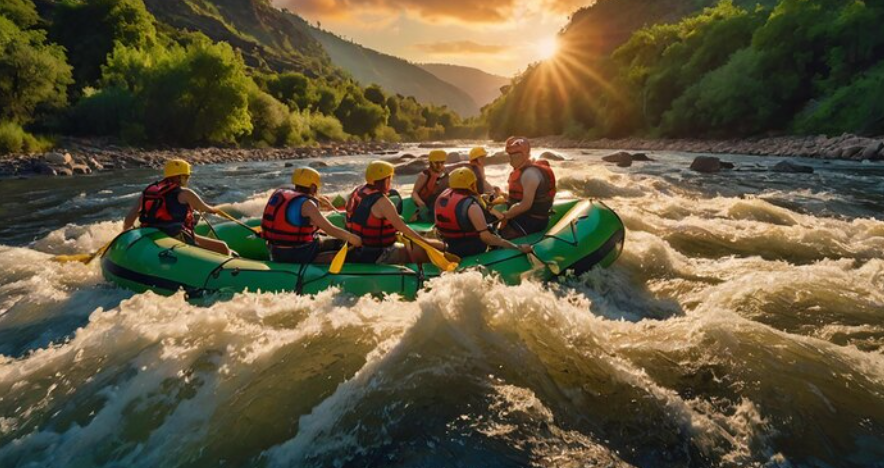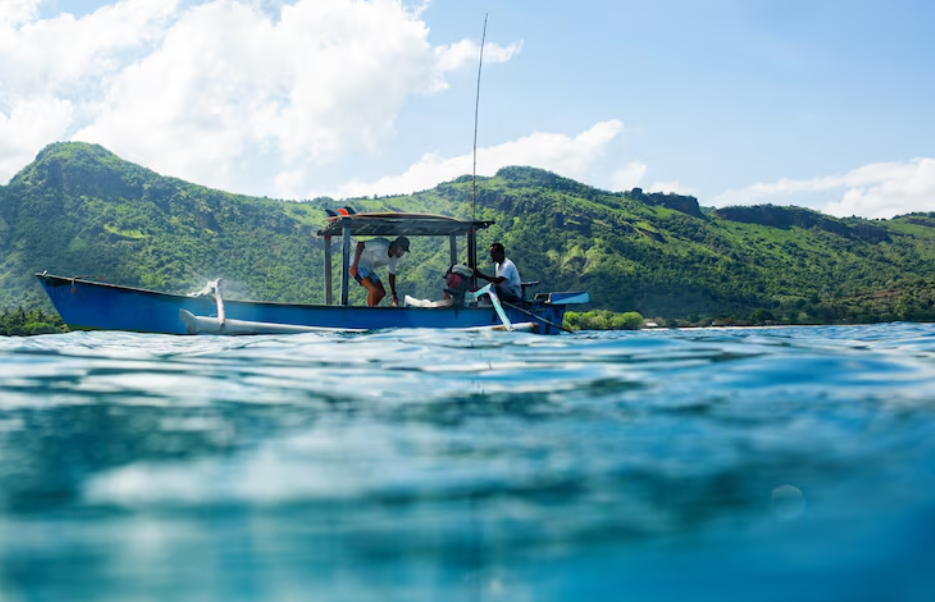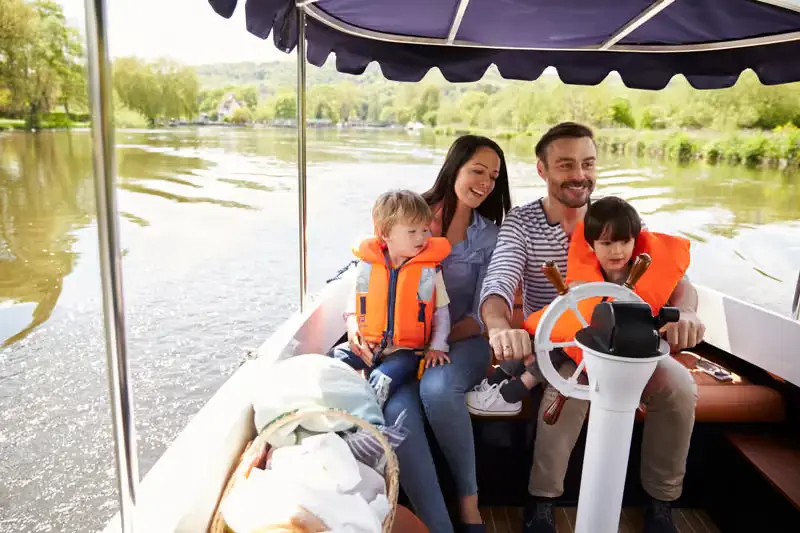
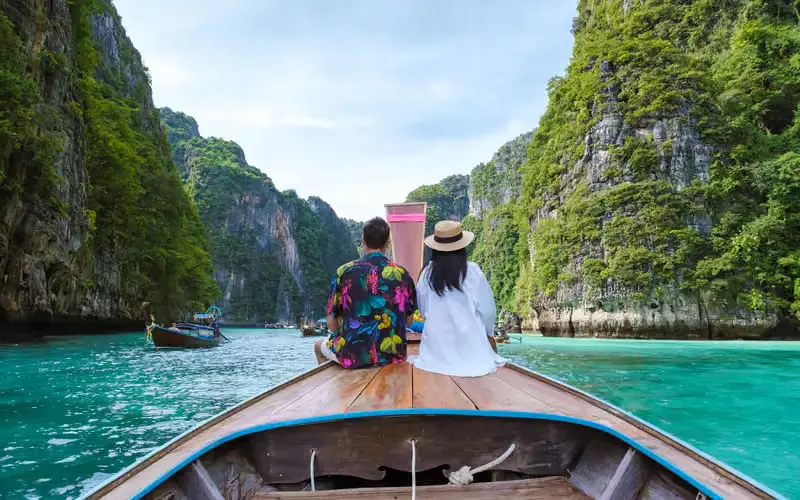
Many travelers are moving beyond conventional holiday destinations in search of quieter, more distinctive experiences. Instead of visiting crowded resorts or familiar tourist cities, they want to discover secluded beaches, remote mountain communities, unusual landscapes, and places with strong cultural identities. These destinations offer opportunities to slow down, explore unfamiliar environments, and experience a different way of life.
An exotic travel destinations guide can help travelers understand what makes a location distinctive and how to select an international escape that matches their expectations. Exotic travel does not necessarily mean visiting a tropical island or booking an expensive private villa. It can involve exploring a quiet countryside region, staying in a traditional mountain village, or discovering a coastal community away from major tourism centers.
However, choosing a secluded destination requires more than finding an attractive location online. Travelers must consider accessibility, accommodation, seasonal conditions, local customs, safety, and overall costs. The most rewarding escape is one that balances discovery with practical preparation. Understanding these factors makes it easier to choose a destination that feels special without creating unnecessary travel difficulties.
The Essential Characteristics of an Exotic Travel Destination
An exotic destination is defined by the experiences it offers rather than its distance from home. Its appeal may come from distinctive geography, unusual wildlife, traditional architecture, local cuisine, or cultural practices that differ from those familiar to the visitor. Some destinations stand out because of their natural isolation, while others offer a combination of heritage and modern hospitality.
Natural diversity is often a major attraction. Volcanic islands, tropical forests, dramatic coastlines, and high-altitude valleys provide environments that feel different from everyday surroundings. These landscapes can support activities such as hiking, wildlife observation, diving, and photography.
Cultural identity is equally important. Traditional markets, regional food, local crafts, and community celebrations can give travelers a deeper understanding of a place. A destination becomes more meaningful when visitors have opportunities to engage respectfully with its people and traditions.
Seclusion is another defining characteristic, but it should not be confused with complete isolation. Some locations offer privacy while maintaining reliable accommodation and transportation. Others have limited infrastructure and require more independent planning. Travelers should decide how much remoteness they actually want before choosing a destination.
It is also important to look beyond promotional images. A beach may appear empty in photographs but attract large crowds during peak season. A remote lodge may provide privacy but have limited access to medical facilities. Understanding the full travel environment helps separate realistic opportunities from marketing promises.
Exploring Different Types of Secluded International Escapes
Secluded destinations come in many forms. Some travelers prefer quiet coastlines and island accommodation, while others find greater appeal in mountain landscapes or rural communities. Identifying the type of environment that best matches personal interests is a useful first step.
Coastal Hideaways and Private Island Experiences
Coastal destinations remain popular because they combine scenic surroundings with opportunities for relaxation and outdoor activities. However, travelers seeking privacy should look beyond the most famous beach resorts.
The Maldives offers private island accommodation, clear lagoons, and marine activities. While some resorts are highly developed, quieter atolls can provide a different atmosphere. Travelers should compare transfer arrangements, accommodation styles, and available activities before booking.
Palawan is known for limestone formations, lagoons, beaches, and marine environments. It can appeal to travelers interested in island exploration and nature-based activities. However, popular areas may become busy during peak periods. Visiting less-crowded locations and allowing flexibility in the itinerary can improve the experience.
Zanzibar offers coastal scenery alongside a distinctive cultural identity. Visitors can explore historic Stone Town, enjoy local food, and discover quieter stretches of coastline. Travelers should research local customs and understand that different areas offer different levels of development and visitor activity.
When selecting a coastal escape, examine more than the quality of the beach. Check the distance from the airport, boat transfer schedules, water activities, and access to essential services. These practical details can significantly affect the overall trip.
Mountain Retreats and Remote Countryside
Mountain and countryside destinations provide a different kind of seclusion. They often appeal to travelers who prefer cooler environments, outdoor exploration, traditional villages, and slower travel.
Bhutan offers dramatic mountain scenery, monasteries, traditional architecture, and carefully managed tourism experiences. Visitors can explore cultural landmarks, scenic valleys, and hiking routes. Travel planning should account for local entry requirements, permitted activities, and the physical demands of certain journeys.
The Dolomites feature dramatic peaks, alpine villages, and extensive walking routes. Travelers who want a quieter experience can research smaller communities and less-visited trails rather than concentrating only on famous viewpoints. Seasonal access is important because mountain conditions can change quickly.
The Scottish Highlands offer open landscapes, lochs, historic settlements, and opportunities for walking and wildlife observation. Rural accommodation can provide a peaceful alternative to busy city stays. However, transport options may be limited in some areas, so visitors should plan routes carefully.
Mountain escapes require attention to weather, altitude, and physical ability. Travelers should select activities that match their experience and avoid assuming that every scenic route is suitable for casual visitors.
Cultural Depth: Looking Beyond Beautiful Landscapes
A destination’s cultural identity can make a trip more rewarding than its scenery alone. Local food, architecture, craftsmanship, music, and traditional practices help explain how communities have developed over time. Travelers who make room for these experiences often gain a stronger connection with the places they visit.
Food is an accessible starting point. Regional markets, locally operated restaurants, and cooking experiences can introduce visitors to ingredients and techniques that reflect local history. Instead of relying entirely on international hotel menus, travelers can explore appropriate local dining options and learn about regional specialties.
Traditional crafts also offer opportunities for cultural discovery. Visitors may find pottery, weaving, woodwork, textiles, and other forms of craftsmanship in local workshops and markets. Buying directly from local producers can support small businesses while providing a more personal experience.
Community-led tours can offer valuable context. Local guides often understand the history, customs, and environmental conditions of their regions better than outside operators. Their knowledge can help travelers understand why certain places are important and how visitors should behave.
Cultural respect must remain a priority. Research clothing expectations, religious customs, photography rules, and appropriate behavior before arrival. Always ask permission before photographing people, particularly during private or religious activities. Traditions should be approached with curiosity rather than treated as performances created solely for tourists.
How to Evaluate a Destination Before Making a Decision
Choosing a secluded international escape becomes easier when travelers establish clear priorities. Begin by identifying what the trip should provide. A relaxing coastal holiday requires different facilities from a demanding hiking journey or a wildlife-focused expedition.
Next, evaluate the destination’s accessibility. Consider flight connections, regional transportation, transfer times, and the distance between accommodation and planned activities. A location that requires several flights and a long boat journey may be worthwhile, but the additional travel time should fit the available holiday period.
Accommodation quality also deserves careful attention. Look beyond attractive photographs and examine recent guest experiences, room facilities, dining options, and service arrangements. Travelers should confirm whether essential amenities are available throughout their stay.
Visitor density is another important factor. Some destinations become crowded during specific holidays, festivals, or seasonal events. Researching visitor patterns can help travelers identify quieter periods. However, fewer visitors may also mean reduced transport services or limited business opening hours.
Safety and healthcare access should influence the decision. Review official travel guidance, local regulations, and any relevant health recommendations. Consider the availability of clinics, pharmacies, emergency transport, and reliable communication.
Finally, use reviews carefully. Individual experiences can be useful, but they may not represent current conditions. Compare multiple recent accounts and look for consistent information about service quality, accessibility, cleanliness, and unexpected costs.
Timing the Journey: Seasons, Weather, and Visitor Patterns
Travel timing can determine whether a destination feels peaceful and accessible or crowded and difficult to navigate. Weather affects more than comfort. It can influence flight schedules, boat transfers, hiking routes, wildlife visibility, and the availability of outdoor activities.
Peak season often provides favorable conditions and more reliable services. However, accommodation prices may increase, popular attractions may become crowded, and reservations may need to be made well in advance.
Shoulder seasons can offer a useful balance. These periods often fall between the busiest travel months and quieter periods. Visitors may find better accommodation availability and fewer crowds while still enjoying suitable weather. Conditions vary by region, so travelers should research local patterns instead of relying on general seasonal assumptions.
Low season can provide attractive prices and a quieter atmosphere. However, it may also bring heavy rain, rough seas, restricted transport, or temporary business closures. A lower accommodation rate does not always represent better value if planned activities become unavailable.
Research the specific conditions that matter to your trip. Divers should consider water visibility, hikers should review trail conditions, and wildlife enthusiasts should understand seasonal animal behavior. Flexible dates can help travelers respond to changing conditions and make better use of their time.
Budgeting for Privacy, Comfort, and Remote Accessibility
Secluded destinations can be more expensive than established tourist centers. Limited transportation, imported supplies, and smaller accommodation operations can increase costs. A realistic budget should therefore include the complete journey rather than focusing only on hotel prices.
International flights are usually the first major expense. However, regional transfers may add a substantial amount, particularly when a destination requires domestic flights, private boats, or specialist transport. Compare the total cost of reaching the accommodation before making a reservation.
Accommodation options vary widely. Private resorts offer convenience and personalized service, while eco-lodges and boutique properties may provide a closer connection with the surrounding environment. Locally operated guesthouses can be more affordable and may support community businesses.
Check exactly what each rate includes. Meals, transfers, activity fees, equipment, taxes, and service charges may be billed separately. A property with a higher nightly rate could offer better overall value if it includes essential services.
Travelers should also prepare a contingency budget. Remote trips can involve delays, unexpected overnight stays, or additional transportation expenses. Having financial flexibility reduces pressure when plans change.
Practical Challenges of Reaching and Staying in Isolated Locations
Remote travel often involves logistical challenges that are less common in major tourist destinations. Flights may operate on limited schedules, roads may be affected by weather, and boat services may be delayed. These issues can disrupt tightly planned itineraries.
Allow additional time between connections. Avoid scheduling an important excursion immediately after a long international journey. If the destination depends on a final boat or regional flight, consider arriving early enough to manage possible delays.
Connectivity may also be inconsistent. Some remote accommodation providers offer limited internet access, while certain outdoor areas have little or no mobile coverage. Download maps, save reservation details, and keep important documents available offline. Travelers who need reliable communication should investigate local network coverage before departure.
Health preparation is essential. Research recommended vaccinations and destination-specific health precautions with a qualified travel health professional. Bring necessary personal medication and confirm whether it will be available during the trip. Travel insurance should cover the activities planned, including relevant adventure sports and emergency evacuation where needed.
Local permits and entry requirements should be checked well in advance. Protected areas and culturally significant locations may have special access rules. Working with experienced local operators can simplify arrangements and help travelers understand regional conditions.
Responsible Choices That Protect the Destination
Secluded destinations are often attractive because their environments and communities have retained distinctive characteristics. Unmanaged tourism can place these qualities under pressure. Increased visitor numbers may create waste, strain freshwater resources, disturb wildlife, and change traditional community spaces.
Travelers can help reduce these effects through practical choices. Use reusable items where appropriate, conserve water, and follow local waste disposal instructions. Avoid disturbing animals or removing natural materials. Stay on designated trails and respect restrictions in protected areas.
Choosing locally owned accommodation, restaurants, and tour operators can help distribute tourism income within the community. It also creates opportunities to learn from people who understand the destination’s history and environment.
Sustainability claims should be evaluated carefully. Look for clear information about waste management, energy use, water conservation, staff employment, and community partnerships. A property describing itself as eco-friendly should be able to explain the actions behind that description.
Responsible travel is not about avoiding every impact. It is about making informed decisions that respect local environments and people. These choices help preserve the qualities that make secluded destinations worth visiting.
Conclusion
Exotic destinations appeal to travelers because they provide distinctive landscapes, cultural experiences, and opportunities to step away from familiar surroundings. From coastal hideaways in the Indian Ocean to mountain retreats and remote countryside, each destination offers a different form of discovery.
Selecting the right escape requires more than choosing a beautiful location. Travelers should compare accessibility, seasonal conditions, accommodation, healthcare, budget, and personal interests. They should also prepare for logistical challenges and respect the communities and environments they visit.
A well-planned journey balances privacy with practical comfort and discovery with responsibility. By researching carefully and setting realistic expectations, travelers can choose an international escape that offers more than seclusion. It can provide a deeper understanding of a place and create experiences that remain meaningful long after returning home.